
The Hidden Nurse Dictionary

The Lancaster Health and Medical Museum Collection, an affiliated society of BSHM, publishes a short article each month about one of the treasured objects in their collection. Bryan Rhodes describes how one of these objects revealed a hidden book by a remarkable author.

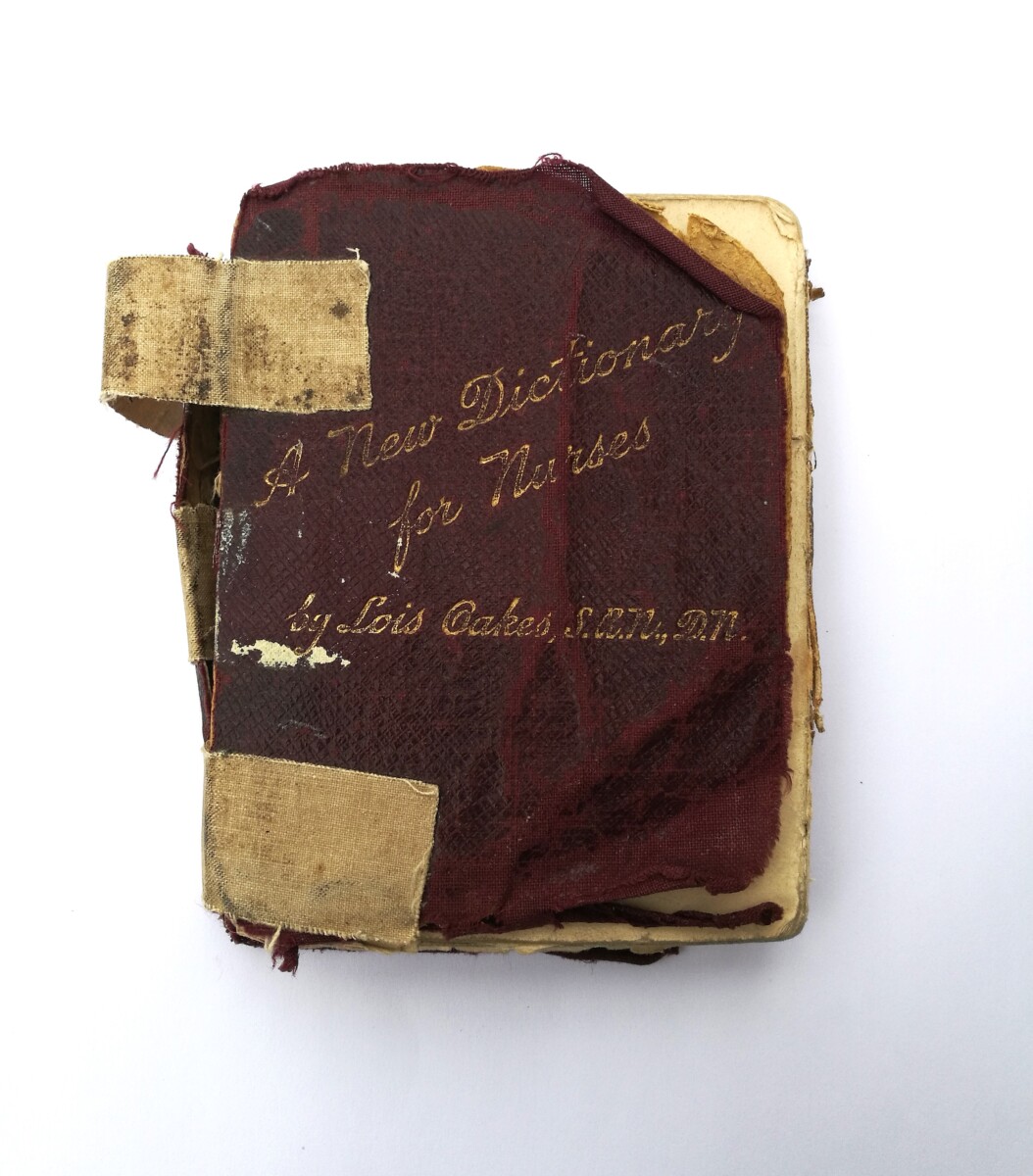
This week marks International Nurses’ Day, and this blog celebrates an interesting nurse dictionary donated to our collection some years ago by an elderly nurse who had trained in Lancaster. Having chosen to feature this book, A New Dictionary for Nurses by Lois Oakes, as our ‘Object of the Month’ for March 2026 on the Lancaster Health and Medical Museum website, I discovered a completely different nurse dictionary hidden inside its damaged cover.
The hidden book’s remarkable author was Violet Honnor Morten (1861 – 1913), who preferred to be known as Honnor Morten. Honnor Morten was not just a nurse and a writer, but also a social activist who lectured widely on family health, women’s rights and nursing care.

A New Dictionary for Nurses by Lois Oakes is small (12 x 9 cm /4.5 x 3.5 inches) and was clearly designed to fit into a pocket. Its well-thumbed and taped cover indicates how much the book was used over the years. The front cover shows that it was first published in 1932. This book, which subsequently became the ‘Churchill Livingstone’s Dictionary of Nursing’, was last published in 2006, the 19th edition.
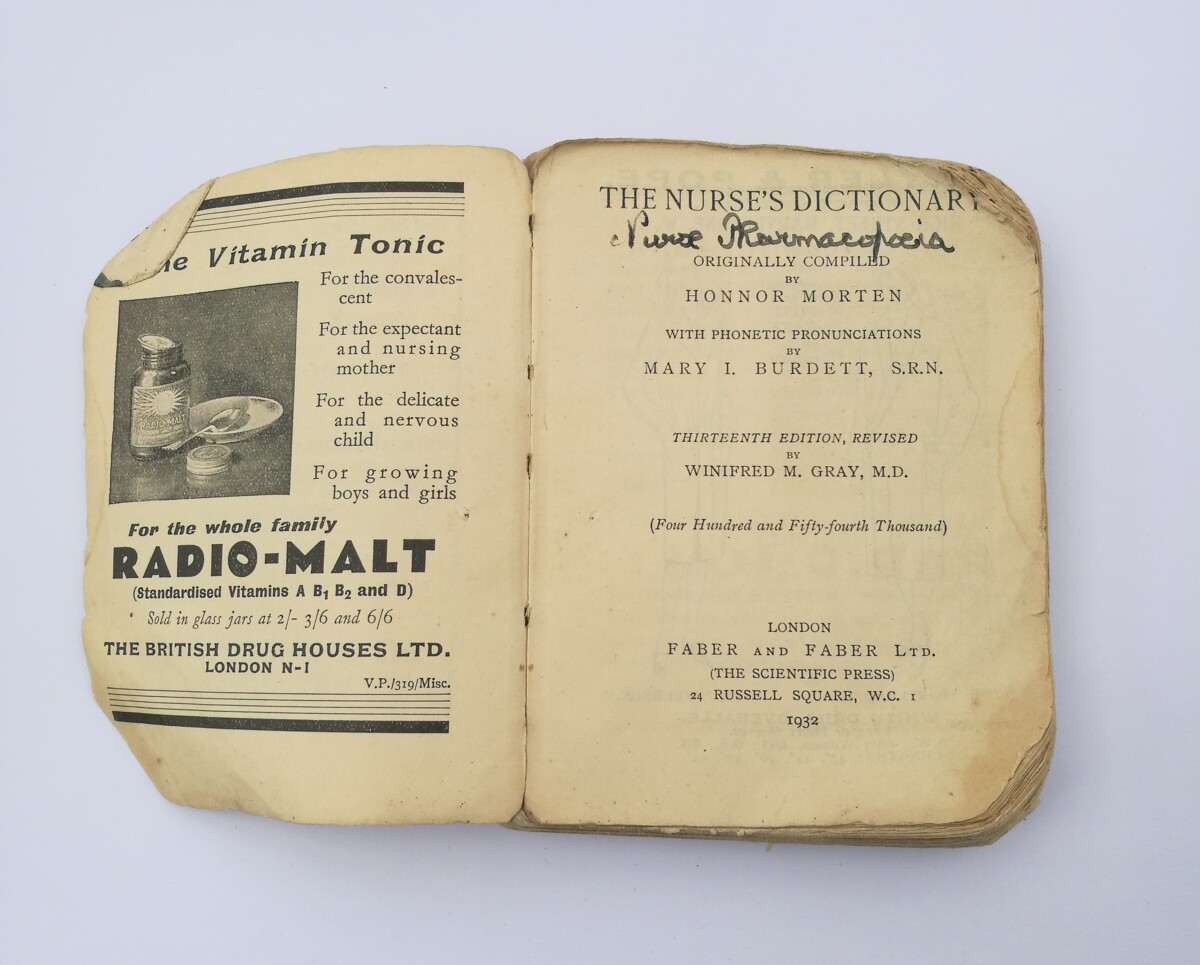
However, the bulk of the contents, easily separated from the cover, is from another pocket-sized nurse dictionary: The Nurse’s Dictionary by Honner Morten, 13th edition, also published in 1932 by Faber and Faber. In 246 pages, featuring entries from abdomen to zymotic, appears to be a complete Honnor Morten dictionary,

The small photograph found inside the book has the inscription ‘Alder Hey 1932-35’ on the reverse, and the date 1932 is also hand-written inside the red cover.

Honner Morten’s dictionary is almost certainly the most successful nursing publication of all time, achieving 30 editions until the 1980s by Faber and Faber, with three further editions published by Mosby. The final 33rd, edition, entitled Mosby Nurse’s Pocket Dictionary, came out in 2005.

Who was Honnor Morten?

(Violet) Honnor Morten (1861-1913), nurse, author and activist, was born in Surrey and was the daughter of a wealthy solicitor and the niece of a successful author called William Black. She started her nurse training in 1881 at the London Hospital and then studied midwifery before gaining a diploma in scientific hygiene at Bedford College, London. A prolific writer, she contributed articles to The Hospital journal, and the same publisher, Scientific Press, published the first edition of her dictionary in 1891. Then titled Nurse’s Dictionary of Medical Terms and Nursing Treatment, it was the first such dictionary dedicated to nurses. The book went through eight editions in her lifetime and was very successful. This book became The Nurse’s Dictionary, ultimately achieving 33 editions. She also wrote a number of other books between 1888 and 1912, mostly on subjects related to nursing, midwifery or childcare.
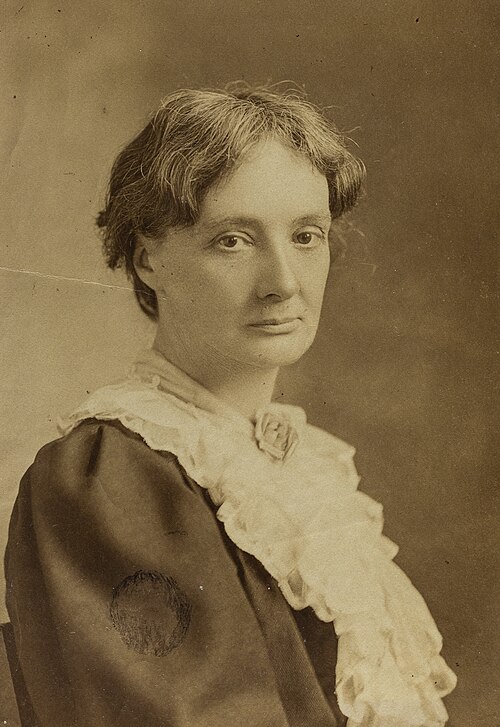
Early 20th century white woman with short hair, dark dress elaborate white lace collar

digital.library.lse.ac.uk/

An avowed socialist and non-militant suffragist, Morten lectured widely on family health, women’s rights and nursing care. During the campaign for women’s voting rights, she joined others in refusing to pay taxes, resulting in the confiscation and auctioning of some of her property. She was a founder member of a number of societies including the Women’s Writers Club, the Association of Asylum Workers, the Nurse’s Co-operation and the School Nurses’ Society. The latter was involved in efforts to provide countryside respite care for disabled children, and Morten supported this aim by establishing a centre in Rotherfield, Sussex in 1905 for disabled children from London.

A keen smoker at a time when the health risks of smoking were not understood, she died of throat cancer the year before the first world war began, aged just 52. Her most abiding legacy is the pioneering nurse dictionary which continued to inform nurse trainees more than a century after its first publication.


Bryan Rhodes is the chair of the Lancaster Health and Medical Museum Collection. He is a retired orthopaedic surgeon. He is vice-president of the British Society for the History of Medicine and was guest editor of the 5th edition of the BSHM journal Topics in the History of Medicine.

Further reading:

Ross, E. (2022, May 12). Morten, (Violet) Honnor (1861–1913), nurse and journalist. Oxford Dictionary of National Biography. Retrieved 15 Apr. 2026


An unflattering view of English medical education in the 1840s

In about 1841, Belgian doctor Constantin Pierre Crommelinck toured various psychiatric institutions in England, France, and Germany. His report reviewed not just various English asylums and also the training of English doctors. Peter Carpenter recounts his none too flattering findings.  

Constantin Pierre Crommelinck (1814-1884) was the son of a Belgium surgeon who trained as a doctor and became a teacher of anatomy at the École de Médecine in Bruges. He initially had some success as a surgeon, but then turned to psychology and psychiatry. There is no official biography for Crommelinck, but his entry in Dutch in Wikipedia indicates he was not an easy colleague.

In about 1841, he toured various psychiatric institutions in Belgium, France, England and Germany and also investigated the training of English doctors. The following year, he reported his findings to the Belgian Minister of the Interior Jean-Baptiste Nothomb: Rapport sur les hospices d’aliénés de l’Angleterre, de la France, et de l’Allemagne. (A report on asylums of England, France and Germany, 1842).

In this report, he made recommendation for the design and therapeutic organisation of future Belgian asylums. His descriptions of various asylums in England are little known in the UK, other than that of Gloucester Asylum, which appears in several biographies of Samuel Hitch, the founder of the first British psychiatric association in 1841.

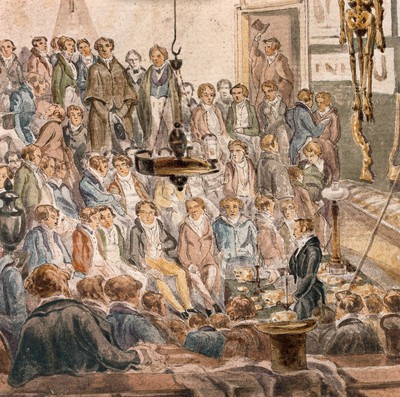
Hunterian anatomy school, London, 1839 by R. B. Schnebbelie, Wellcome Collection

Hunterian anatomy school, London, 1839 by R. B. Schnebbelie, Wellcome Collection

English medical education mocked

In the same report, Crommelinck took the opportunity to make very pointed remarks on the English medical profession and medical education. While commenting on the richness of England’s material resources, he mocked the surgeons’ habit of having an apprenticeship and then attending a selection of classes in London. He wrote:

“At the end of three years’ training with a physician or surgeon, where the pupil has learned (and how else?) physiology before anatomy, therapeutics before pathology, and practice before anything else, he goes back to school, … spends two years there, and qualifies as a physician or surgeon-apothecary. These two years pass like the other three, with the only difference that all the branches are no longer taught by one and the same individual, but by five or six, all teaching pell-mell, without troubling themselves about each other or prescribing to their disciple any order to follow. …Thus the pupil begins, and attends pell-mell, lessons in physiology, anatomy, therapeutics, pathology, medical and surgical clinics, childbirth, etc.

Having attended lessons from each teacher, Crommelinck then went on to describe the anatomy lesson as the most absurd, ridiculous and contrary to common sense. “I will cite among others the one that Mr. Macmurdson gave at St. Thomas Hospital. It was the tenth since the opening of his course; it related to the mucous membranes: all the students, with two or three exceptions, were true beginners. Fifty jars containing different pathological or monstrous alterations of the mucous membranes were placed on the table.

“Mr. Macmurdson took a notebook from his pocket and, using his finger to mark his place, began to read very fast a long, profound and learned dissertation on the past, present and future, healthy and sick, natural and monstrous state of the mucous membranes in man as in other animals. The most scabrous questions of theory and practice were discussed in this reading; he talked about typhus, inflammation, cancer, tumours haemorrhage, bleeding, leeches, calluses, strictures, astringents, styptics, molluscs, pachyderms, mammals, Peyer’s glands, Brunner’s glands – do I know what a jumble of absurdities did not come out of his mouth, while seriously begging his students to pay scrupulous attention to the elementary principles that were going to develop before them?”

[Pages 69-71, Peter Carpenter’s translation]

Rather than pretending to listen and understand, wrote Crommelinck, the students had fun cutting figures in the benches, whispering among themselves and kicking each other. They “ended the farce by applauding excessively when the hour of freedom arrived.”

The lecturer compared with Molière’s comedic doctor from the play Le malade imaginaire, was probably Gilbert MacMurdo, a surgeon at St Thomas’s in the 1846 Medical Directory. It is surprising that Crommelinck named an individual, but the early signs of irascibility seem to have ripened into vitriol later in his career.

Peter Carpenter is a retired psychiatrist who researches the history of UK mental health institutions.

Further reading:

Rapport sur les hospices d’aliénés de l’Angleterre, de la France, et de l’Allemagne is available at the Wellcome Library and the library of the Royal College of Psychiatrists. Digital copies can be found by internet search.

https://nl.wikipedia.org/wiki/Constantin_Crommelinck